

Struggling to increase focus at work or while studying? Finding it hard to stay on task without getting distracted? You’re not alone. Concentration challenges are common and can stem from various factors: stress, overwhelming workloads, lifestyle habits, and even cognitive aging.
Fortunately, concentration skills can be trained just like muscles. By applying the right concentration techniques, you can enhance mental performance, sharpen your attention span, and significantly boost concentration in everyday tasks.
Here are scientifically proven techniques to help you stay mentally sharp :

1. Start Small and Build Gradually
Training focus is like training for a marathon—you wouldn’t run 10 miles on your first day. Instead, start with short, focused sessions and gradually increase the duration.
How to apply it:
✔️ Begin with 10–15 minutes of uninterrupted focus.
✔️ Slowly increase to 25–45 minutes as your ability improves.
✔️ If you get distracted, acknowledge it and gently bring your attention back.
This method minimizes mental fatigue and builds sustainable concentration.

2. Use the Pomodoro Technique for Focus Improvement
One of the most effective concentration techniques is the Pomodoro Technique, developed by Francesco Cirillo¹.
How it works:
1️) Work for 25 minutes with full focus.
2️) Take a 5-minute break.
3️) Repeat four cycles, then take a 20–30-minute break.
This method helps reduce distractions, increase productivity, and prevent mental burnout.
– Best for: Studying, deep work, creative tasks.
– Pro tip: Use a Pomodoro timer app like Focus Booster or Tomato Timer to stay on track.

3. Keep a “Distraction List”
Ever find yourself checking your phone or thinking about unrelated tasks while working? Instead of acting on every distraction, write it down in a “Distraction List.”
How this helps:
✅ Keeps you focused without feeling like you’re forgetting something.
✅ Trains your brain to delay impulsive distractions.
✅ Allows you to process distractions later during scheduled breaks.
Studies show that once distracted, it takes 25 minutes to fully refocus². A distraction list can reduce attention residue and improve focus.

4. Strengthen Your Willpower to Improve Focus and Mental Sharpness
Focus isn’t just about avoiding distractions—it’s about training your willpower to stay on task.
How to improve willpower:
✔️ Set small self-discipline challenges (e.g., avoid checking your phone for an hour).
✔️ Stick to a daily routine to build mental resilience.
✔️ Use positive reinforcement (reward yourself after completing a focused session).
Strong willpower helps enhance mental performance and makes it easier to stay on track.³

5. Try Meditation for Concentration and Focus Improvement
Meditation is a powerful mental exercise that can improve focus and willpower over time.
How it helps:
✅ Strengthens the brain’s prefrontal cortex, responsible for attention control.⁴
✅ Reduces stress and anxiety, which interfere with focus.⁵
✅ Increases attention span and ability to resist distractions.
Getting started:
– Practice 10–20 minutes of daily mindfulness meditation.
– Use meditation apps like Headspace or Calm for guided sessions.
After just 8 weeks of regular meditation, studies show significant improvement in concentration skills and mental clarity.⁶

6. Engage in Regular Physical Activity to Boost Concentration
Exercise isn’t just good for the body—it sharpens focus and cognitive function.
Scientific findings:
✔️ Cardio workouts (running, swimming, cycling) increase oxygen flow to the brain.⁷
✔️ Strength training improves self-discipline, which helps maintain focus.
✔️ Yoga and stretching reduce stress and improve mindfulness.
A study published in Nature Reviews Neuroscience found that regular exercise enhances brain plasticity, supporting long-term concentration training.⁸

7. Learn and Memorize for Mental Sharpness
Memorization is a lost skill—but it’s an amazing way to train your attention span.
How it helps:
✅ Improves verbal memory and recall speed.
✅ Strengthens neural connections, making other tasks easier.
✅ Increases patience and persistence, both essential for deep focus.
Start by memorizing a short poem or passage each week. Over time, you’ll find it easier to absorb new information.

8. Read Daily to Train Deep Focus
If you struggle to focus on long-form content, regular reading can help increase attention span.
How to train concentration with reading:
✔️ Read for at least 20 minutes without checking your phone.
✔️ Choose challenging books that require deep engagement.
✔️ Summarize what you’ve read to strengthen retention.
Reading trains your brain to focus longer and resist constant distractions.

9. Use Mental Exercises to Enhance Concentration Skills
Just like physical workouts, mental exercises strengthen your ability to stay focused for extended periods.
Best mental exercises for concentration:
✔️ Sudoku, crossword puzzles, chess.
✔️ Memory games and brain-training apps.
✔️ Speed reading exercises.
Studies show that people who engage in mentally stimulating activities have better attention control and cognitive flexibility.⁹

10. Prioritize Quality Sleep for Focus and Mental Performance
Sleep is the ultimate brain reset. If you’re not sleeping well, your ability to focus suffers.
Tips for better sleep for focus:
✔️ Stick to a consistent sleep schedule.
✔️ Avoid screens 1 hour before bed (blue light reduces melatonin).
✔️ Keep your room dark, cool, and quiet.
✔️ Limit caffeine intake after 2 PM.
Lack of sleep impairs decision-making, problem-solving, and memory, making it harder to focus on studies or work.¹⁰
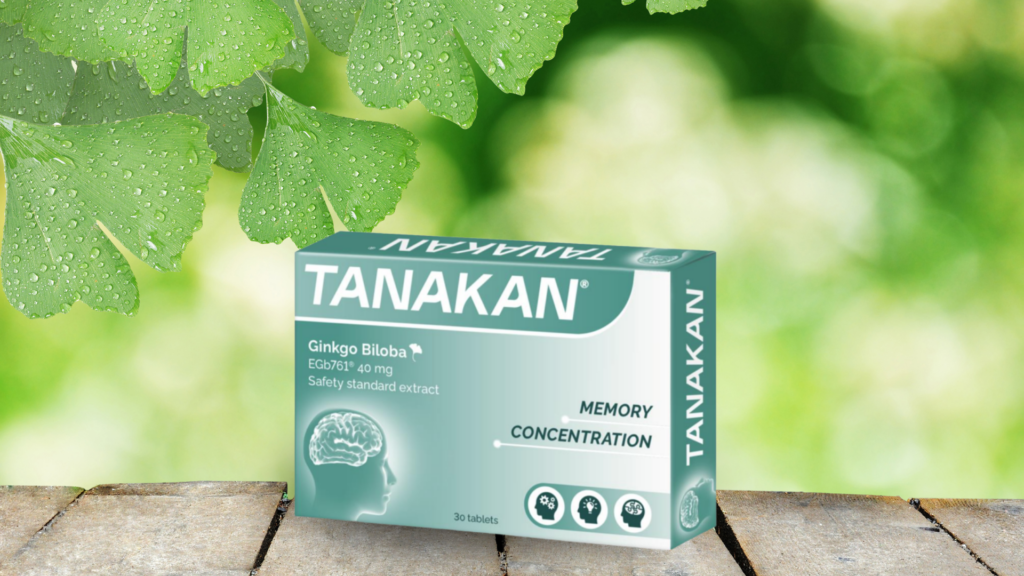
Can Drugs Help Improve Focus and Concentration ?
While lifestyle changes are essential, some supplements can boost concentration and mental sharpness.
Tanakan, a scientifically formulated drug derived from Ginkgo biloba, the plant known to enhance memory¹¹, concentration¹¹, attention¹², circulation¹³, tinnitus¹⁴ and vertigo¹⁴.
FAQs: How to Train Concentration & Improve Focus
What is the best way to improve focus while studying?
Use the Pomodoro Technique¹, minimize distractions, and practice mental exercises like reading or puzzles⁹. Also, ensure adequate sleep¹⁰ and nutrition⁸ for optimal brain function.
How can I boost concentration at work?
Try focus improvement techniques like time-blocking, keeping a distraction list², and taking short breaks to reset your attention. Regular exercise⁷ and mindfulness practices⁶ also help maintain concentration.
Does meditation really help with focus and concentration?
Yes! Studies show that meditation for concentration⁶ enhances attention span, reduces stress, and improves cognitive control. Just 10–20 minutes a day can make a difference.
How can I reduce distractions while working or studying?
Keep a “distraction list”², turn off notifications, set clear goals, and create a focused workspace. Using noise-canceling headphones or background music can also help.
How does sleep affect focus and mental performance?
Poor sleep¹⁰ leads to reduced attention span, slower processing, and lower productivity. Aim for 7–9 hours of quality sleep¹⁰ and establish a consistent sleep¹⁰ routine to improve focus.
What foods help increase focus and concentration?
Brain-boosting foods⁸ like avocados, nuts, berries, dark chocolate, and leafy greens improve mental sharpness and memory. Staying hydrated¹⁵ also plays a crucial role in maintaining focus.
How long does it take to improve concentration skills?
It varies, but with consistent practice (using techniques like Pomodoro¹, mental exercises⁹, and meditation⁴⁻⁶), you can see improvements in a few weeks.
What is the best way to focus on studies without getting distracted?
Create a study schedule, use the Pomodoro Technique¹, eliminate distractions (like social media), and train your brain with mental exercises⁹.

Ours products
Tanakan products range

Diagnostic
Take the test

Brain Aging : How to combat it ?

How to Boost Cognitive Performance Naturally

How Better Focus Improves Your Memory
1.Cirillo, F. (2006). The Pomodoro Technique. 2.Mark, G., Voida, S., & Cardello, A. (2012). A Pace Not Dictated by Electrons: An Empirical Study of Work Without Email. CHI Conference. 3.Nilsonne, G., Bergdahl, J., & Åkerstedt, T. (2020). Structural correlates of mental fatigue in stress-related exhaustion disorder. NeuroImage: Clinical, 28, 102399. https://www.ncbi.nlm.nih.gov/pmc/articles/PMC7348057/ 4.National Center for Complementary and Integrative Health. (n.d.). Meditation: In Depth. https://www.nccih.nih.gov/health/meditation-in-depth 5.Goyal, M., et al. (2014). Meditation programs for psychological stress and well-being: A systematic review and meta-analysis. JAMA Internal Medicine. 6.Zeidan, F., et al. (2010). Mindfulness meditation improves cognition: Evidence of brief mental training. Consciousness and Cognition, 19(2), 597–605. 7.Singh, B., et al. (2025). Effectiveness of exercise for improving cognition, memory and executive function: A systematic umbrella review and meta-meta-analysis. British Journal of Sports Medicine. https://bjsm.bmj.com/content/bjsports/early/2025/03/06/bjsports-2024-108589.full.pdf 8.Gómez-Pinilla, F. (2008). Brain foods: The effects of nutrients on brain function. Nature Reviews Neuroscience, 9(7), 568–578. https://doi.org/10.1038/nrn2421 9.Harvard Health Publishing. (n.d.). Train your brain. https://www.health.harvard.edu/mind-and-mood/train-your-brain 10.Fortier-Brochu, É., & Morin, C. M. (2014). Cognitive impairment in individuals with insomnia: Clinical significance and correlates. Sleep, 37(11), 1787–1798. https://doi.org/10.5665/sleep.4172 11.Spiegel R et al. “Ginkgo biloba special extract EGb 761® in dementia: a systematic review and meta-analysis.” Curr Alzheimer Res. 2013;10(10):1080-92. 12.Kennedy DO et al. "Effects of Ginkgo biloba extract (EGb 761) on attention, mood, and memory in healthy volunteers." Psychopharmacology (Berl). 2000;151(2-3):416–423. 13.Rai GS et al. “Double-blind placebo-controlled study of Ginkgo biloba in geriatric patients.” Curr Med Res Opin. 1991;12(6):350–355. 14.Morgenstern C, Biermann E. “Efficacy of Ginkgo biloba special extract EGb 761® in patients with tinnitus.” Int J Clin Pharmacol Ther. 2002;40(4):188–197. 15. Masento, N. A., et al. (2012). Effects of dehydration on brain functioning: A life-span perspective. Annals of Nutrition and Metabolism, 70(Suppl. 1), 30–36. https://karger.com/anm/article/70/Suppl.%201/30/42512 TAN-GO-002136