

Want to Stay Sharp as You Age? Here’s How to Improve Brain Health Naturally
Do you ever walk into a room and forget why you’re there? Or struggle to recall a word that’s just on the tip of your tongue? These small lapses can feel frustrating, but the good news is that cognitive decline isn’t inevitable.
By adopting brain aging prevention strategies, you can boost cognitive function naturally and keep your mind sharp for years to come. This guide explores:
✅ How neuroplasticity and aging work together to protect brain function
✅ The best foods for brain aging and memory enhancement
✅ Exercises for brain health to keep your mind resilient
✅ Ways to improve memory and focus at any age
✅ Sleep, stress management, and lifestyle habits for lifelong mental sharpness
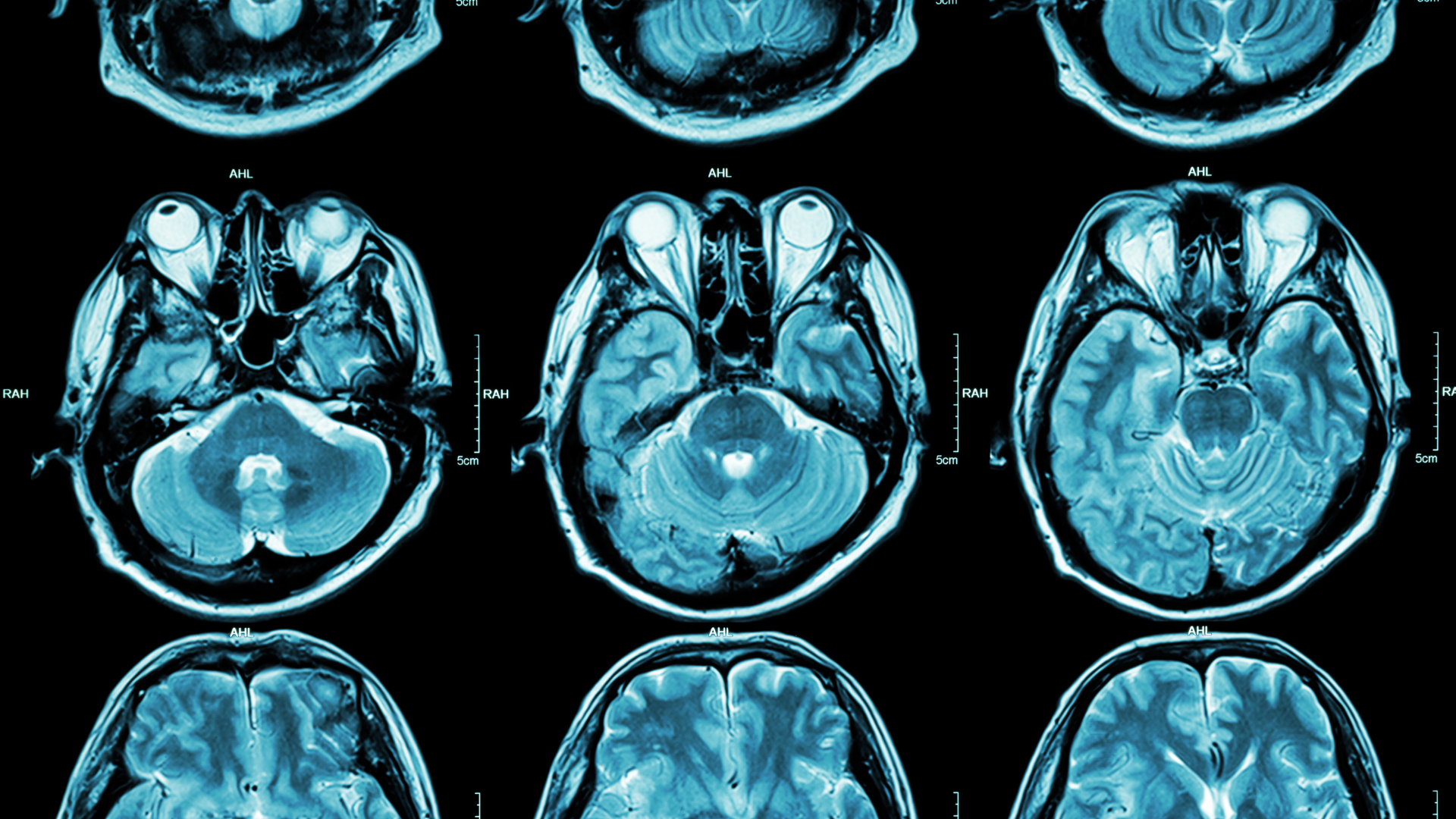
1. Understanding Brain Aging: What Happens to the Mind Over Time?
Aging affects the brain in different ways, but it’s not all bad news. While some cognitive slowing is normal, your brain remains adaptable and capable of forming new neural connections throughout life.¹
Common Age-Related Cognitive Changes:
– Slower Processing Speed – It may take longer to recall information or respond to stimuli.
– Mild Memory Lapses – Forgetting names or misplacing items is common but differs from serious cognitive decline.
– Reduced Neuroplasticity – The brain’s ability to form new connections declines with age but can be strengthened with the right strategies.
2. Key Nutrients and Dietary Habits for a Healthy Brain
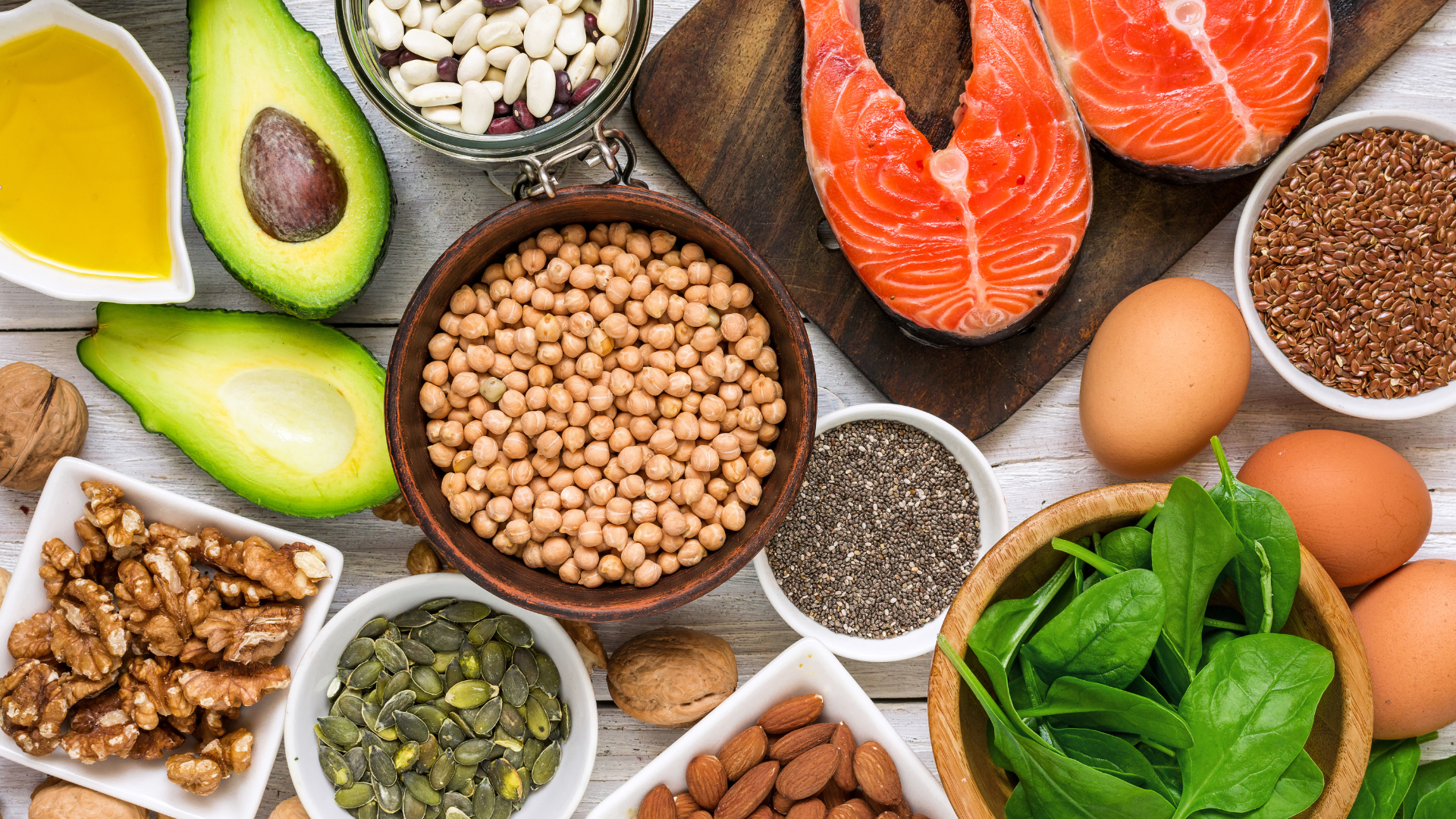
Nutrition plays a crucial role in preventing cognitive decline and supporting brain function as you age.² Eating a balanced diet rich in foods that enhance cognitive abilities can improve memory and focus naturally.
Best Brain-Boosting Foods for Focus and Aging Prevention
🥑 Omega-3 Fatty Acids – Found in salmon, walnuts, and flaxseeds, omega-3s support brain cell integrity and reduce inflammation.²
🍓 Antioxidants – Berries, dark chocolate, and green tea combat oxidative stress, a key driver of brain aging.³
🥚 B Vitamins – Whole grains, eggs, and leafy greens regulate homocysteine levels, which, when elevated, are linked to cognitive decline.³
🍇 Polyphenols – Found in grapes, olive oil, and cocoa, polyphenols enhance blood flow to the brain and support neuroprotection.³

3. Neuroplasticity and Aging: How to Keep Your Brain Adaptable
Neuroplasticity is your brain’s ability to adapt, reorganize, and form new connections. Contrary to popular belief, neuroplasticity doesn’t stop as you age—but you need to actively engage your brain to maintain it.⁴
How to Boost Neuroplasticity for Lifelong Mental Sharpness
– Engage in Lifelong Learning – Read books, take online courses, or learn a new skill to stimulate cognitive function.⁴
– Challenge Your Brain – Puzzles, memory games, and problem-solving activities enhance mental agility.⁴
– Stay Socially Connected – Engaging in conversations activates cognitive networks and reduces the risk of dementia.⁵

4. Physical Activity and Brain Health: Move More, Think Faster
Exercise isn’t just good for your body—it’s one of the most powerful brain aging prevention strategies. Physical activity increases blood flow, delivers oxygen to the brain, and stimulates the release of brain-derived neurotrophic factor (BDNF), which supports neuron growth.⁶
Best Exercises for Brain Health
– Aerobic Exercise – Walking, swimming, and cycling enhance cognitive flexibility and brain function.⁶
– Strength Training – Lifting weights improves executive function and memory retention.⁶
– Mind-Body Exercises – Yoga and tai chi reduce stress and promote mental clarity.⁷
Aim for at least 150 minutes of moderate exercise per week to maintain brain health and prevent cognitive decline!

5. Sleep and Cognitive Longevity: How Rest Affects Brain Health
Poor sleep is one of the biggest risk factors for cognitive decline. Your brain detoxifies itself during deep sleep, clearing out toxins that contribute to memory loss.⁸
How to Improve Sleep for Brain Health
– Stick to a Regular Sleep Schedule – Go to bed and wake up at the same time daily.
– Reduce Blue Light Exposure Before Bed – Screen time at night disrupts melatonin production, making it harder to fall asleep.⁹
– Prioritize Deep Sleep Stages – This is when memory consolidation and brain detoxification occur.⁸
Try a nighttime routine with meditation or relaxation techniques to support long-term brain health!

6. Brain Aging Prevention Strategies: Protect Your Mind for the Future
Lifestyle choices play a major role in preventing cognitive decline. Adopting these brain health tips for seniors and adults alike can help you maintain a sharp mind:¹⁰
✔️ Manage Chronic Conditions – High blood pressure and diabetes can negatively impact brain function.¹⁰
✔️ Reduce Stress – Chronic stress shrinks the hippocampus (memory center), so practice mindfulness.¹¹
✔️ Limit Alcohol & Avoid Smoking – Both contribute to brain shrinkage and cognitive decline.¹⁰
Can Drugs Help Improve Memory and Brain Function ?
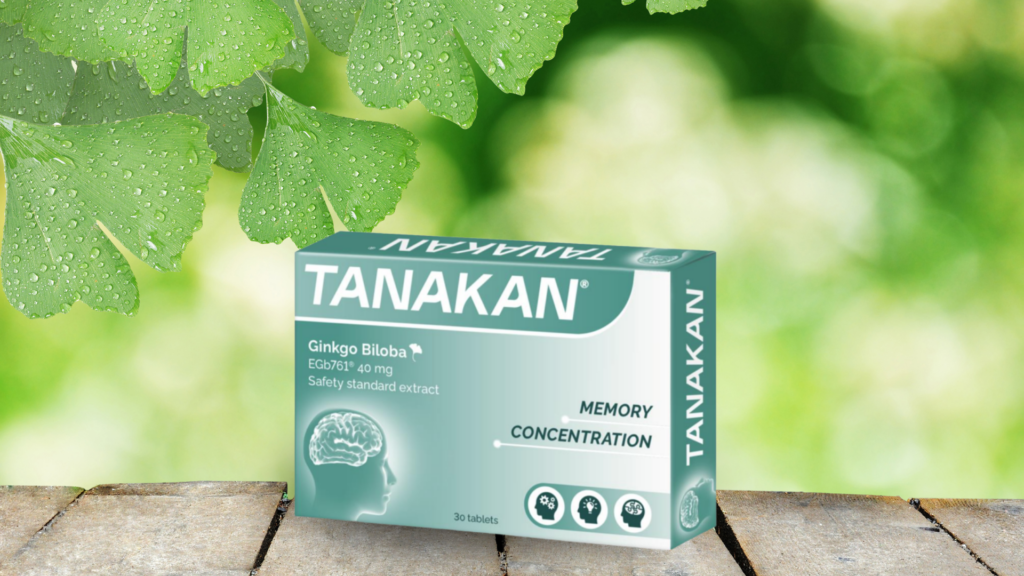
While lifestyle changes and brain exercises can significantly help memory, sometimes your brain needs additional support.
Tanakan, a scientifically formulated drug derived from Ginkgo biloba, the plant known to enhance memory, concentration, attention, circulation, tinnitus and vertigo.¹²⁻¹⁵
Frequently Asked Questions (FAQs)
1. How can I prevent cognitive decline naturally?
Maintain a healthy diet²⁻³, exercise regularly⁶, reduce stress¹¹, and stay mentally active⁴⁻⁵ to keep your brain functioning at its best.
2. What are the best foods for brain aging prevention?
Omega-3-rich foods (salmon, walnuts), antioxidants (berries, dark chocolate), and polyphenols (citrus, tea) help support cognitive function²⁻³,
3. How does neuroplasticity affect aging?
Neuroplasticity allows the brain to form new connections, helping to maintain mental sharpness even as you age⁴⁻⁵.
4. What exercises help improve brain function?
Aerobic activities, strength training, and yoga enhance cognitive flexibility and brain resilience.⁶⁻⁷

Ours products
Tanakan products range

Diagnostic
Take the test

The Impact of Sleep on Memory and Concentration

How to Boost Cognitive Performance Naturally

How Better Focus Improves Your Memory
1.Cirillo, F. (2006). The Pomodoro Technique. 2.Gómez-Pinilla, F. (2008). Brain foods: the effects of nutrients on brain function. Nature Reviews Neuroscience, 9(7), 568–578. 3.Hardman, R. J., et al. (2016). Adherence to a Mediterranean-style diet and effects on cognition in adults: a qualitative evaluation and systematic review. BMJ Open, 6(8), e010273. 4.Mayer, R. E. (2009). Multimedia Learning. Cambridge University Press. 5.Rosen, C., Lim, A. F., Carrier, L. M., & Cheever, N. A. (2011). Media multitasking and cognitive control. Computers in Human Behavior, 27(2), 123–131. 6.Ratey, J. J. (2008). Spark: The Revolutionary New Science of Exercise and the Brain. Little, Brown. 7.Shams, L., & Seitz, A. R. (2008). Benefits of multisensory learning. Trends in Cognitive Sciences. 8.Walker, M. P., & Stickgold, R. (2006). Sleep, memory, and plasticity. Annual Review of Psychology, 57, 139–166. 9.National Center for Complementary and Integrative Health. (n.d.). Meditation: In Depth. https://www.nccih.nih.gov/health/meditation-in-depth 10.Nilsonne, G., Bergdahl, J., & Åkerstedt, T. (2020). Structural correlates of mental fatigue in stress-related exhaustion disorder. NeuroImage: Clinical, 28, 102399. 11.Mark, G., Voida, S., & Cardello, A. (2012). A Pace Not Dictated by Electrons: An Empirical Study of Work Without Email. CHI Conference. 12.Spiegel R et al. “Ginkgo biloba special extract EGb 761® in dementia: a systematic review and meta-analysis.” Curr Alzheimer Res. 2013;10(10):1080-92. 13.Rai GS et al. “Double-blind placebo-controlled study of Ginkgo biloba in geriatric patients.” Curr Med Res Opin. 1991;12(6):350–355. 14.Morgenstern C, Biermann E. “Efficacy of Ginkgo biloba special extract EGb 761® in patients with tinnitus.” Int J Clin Pharmacol Ther. 2002;40(4):188–197 15.Kennedy DO et al. "Effects of Ginkgo biloba extract (EGb 761) on attention, mood, and memory in healthy volunteers." Psychopharmacology (Berl). 2000;151(2-3):416–423. TAN-GO-002136