

Struggling to Stay Focused? Here’s How to Improve Memory and Boost Concentration Naturally
Ever find yourself reading the same paragraph over and over without retaining a single word? Or maybe you sit down to complete a task, only to get distracted within minutes? In today’s fast-paced world, maintaining focus and concentration can be a real challenge.
But here’s the good news: you can train your brain to stay focused, improve attention, and enhance memory naturally. Whether you’re a busy professional, a multitasking student, or just looking to sharpen your cognitive abilities, understanding the attention and memory connection is the first step toward better brain performance.
This guide will explore:
✅ How attention affects memory formation
✅ The types of attention and memory
✅ Techniques to improve attention and cognitive performance
✅ The role of sleep, diet, and mindfulness in enhancing concentration
✅ How supplements can help increase focus, concentration and memory
How Attention Affects Memory: The Key to Better Learning and Recall
What Is Attention and Why Is It Important?
Attention is your brain’s ability to focus on relevant information while ignoring distractions. Without it, memory encoding becomes weak, making it harder to retain information.¹
There are three main types of attention that impact learning and memory:
1.Sustained Attention – The ability to stay focused on a task for an extended period (e.g., reading, working on a project).
2.Selective Attention – Filtering out distractions to focus on one thing (e.g., listening to a lecture in a noisy room).
3.Divided Attention – Managing multiple tasks at once (e.g., cooking while talking on the phone).
The Connection Between Attention and Memory : Memory formation happens in three key stages:
| Memory Stage | How Attention Helps |
|---|---|
| Encoding | The brain absorbs and processes new information. Focused attention is crucial for strong encoding. |
| Storage | Information is stored in short-term or long-term memory. Repetition and concentration strengthen neural connections. |
| Retrieval | The ability to recall stored information. Better encoding = easier recall.² |
Example: If you’re scrolling on your phone while trying to study, your brain isn’t fully engaged in encoding. That’s why multitasking reduces memory retention. That’s why it’s important to set clear focus blocks without distractions to enhance concentration for learning.
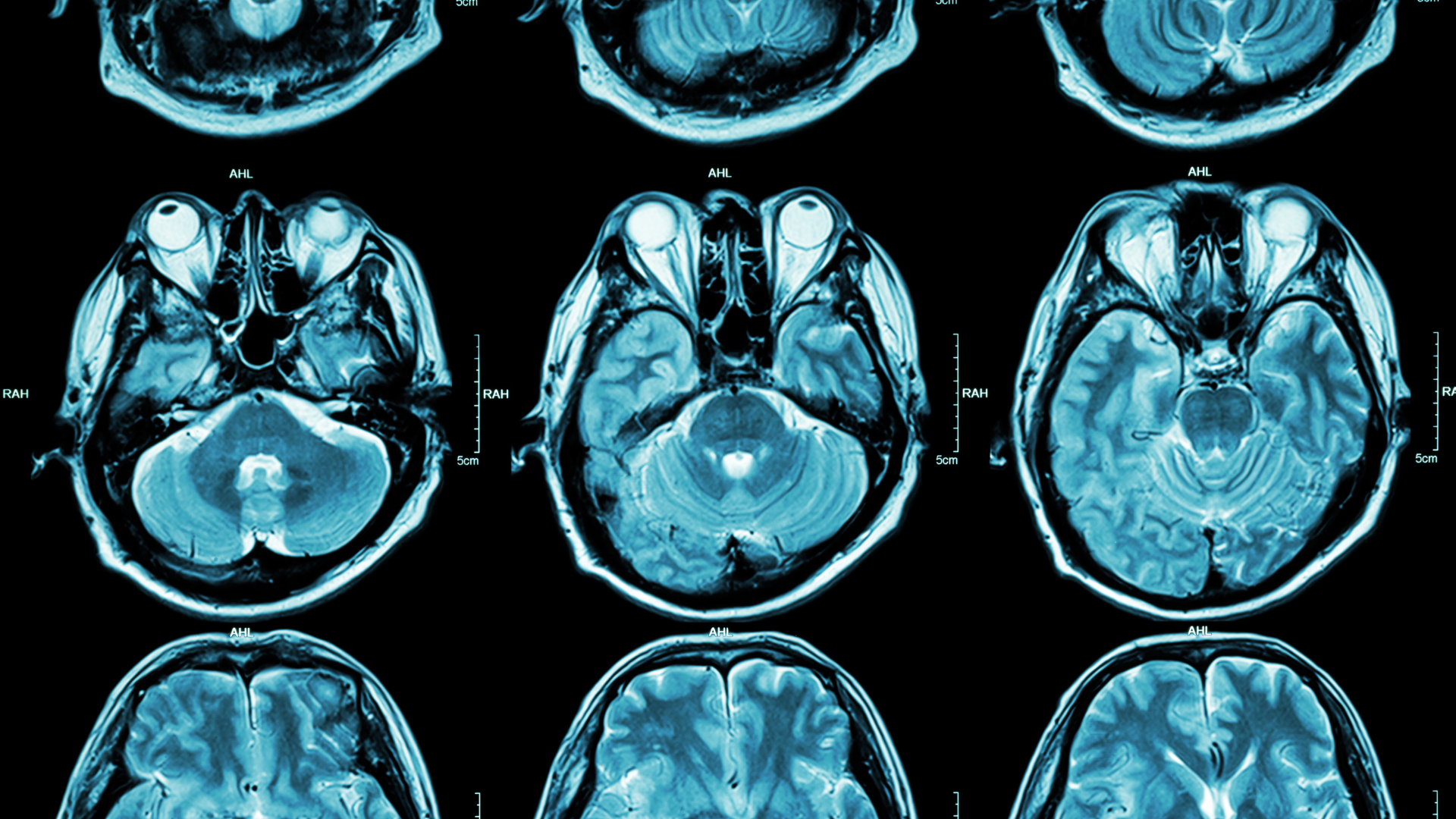
The Neurobiology of Attention and Memory
Your brain’s ability to focus depends on certain brain regions and neurotransmitters:
– Prefrontal Cortex – Controls attention span, decision-making, and problem-solving.
– Parietal Cortex – Helps with selective attention by filtering out distractions.
Key Neurotransmitters for Cognitive Performance Enhancement:
– Dopamine – Boosts motivation and mental clarity.
– Norepinephrine – Sharpens alertness and attention span.
– Acetylcholine – Enhances learning and memory retention.
Factors That Affect Focus and Memory Retention
Your ability to stay focused and remember information is influenced by lifestyle factors. Here’s what’s impacting your cognitive performance and how to fix it:
| Factor | How It Affects Focus & Memory | Solution |
|---|---|---|
| Lack of Sleep | Impairs memory consolidation and focus. | Stick to a consistent sleep schedule (7-9 hours per night).² |
| Stress & Anxiety | Increases cortisol, disrupting attention and recall.⁴ | Practice relaxation techniques like deep breathing and meditation.⁵ |
| Diet & Hydration | Nutrient deficiencies weaken brain function.³ | Eat omega-3-rich foods, antioxidants, and drink plenty of water. |
| Excessive Screen Time | Leads to overstimulation and shorter attention spans. | Take screen breaks and use the 20-20-20 rule. |
| Physical Inactivity | Reduces blood flow to the brain.⁶ | Exercise regularly to boost cognitive function |
How Attention Affects Memory: The Key to Better Learning and Recall

1. Mindfulness Techniques for Better Focus
Practicing mindfulness helps train the brain to stay present, reducing distractions and improving concentration.⁵
Try This:
✅ Spend 5 minutes daily doing deep breathing or meditation.
✅ Use mindfulness apps like Headspace or Calm.
✅ Try the 5-4-3-2-1 grounding technique when feeling distracted.

2. Brain Exercises to Improve Focus and Cognitive Performance
Challenge your brain with mental workouts that strengthen neural connections.⁷
Best Brain-Boosting Activities:
✔️ Puzzles & Memory Games (e.g., Sudoku, crosswords, Lumosity).
✔️ Reading & Learning New Skills (e.g., new languages, instruments).
✔️ Dual N-Back Training (scientifically proven to increase working memory and attention span).⁷

3. The Role of Sleep in Attention and Memory
Sleep is essential for memory consolidation techniques—without it, learning and recall suffer.²
How to Optimize Sleep for Better Memory:
✅ Stick to a regular sleep routine.
✅ Avoid screens 1 hour before bed.⁵
✅ Try white noise or relaxation exercises before sleep
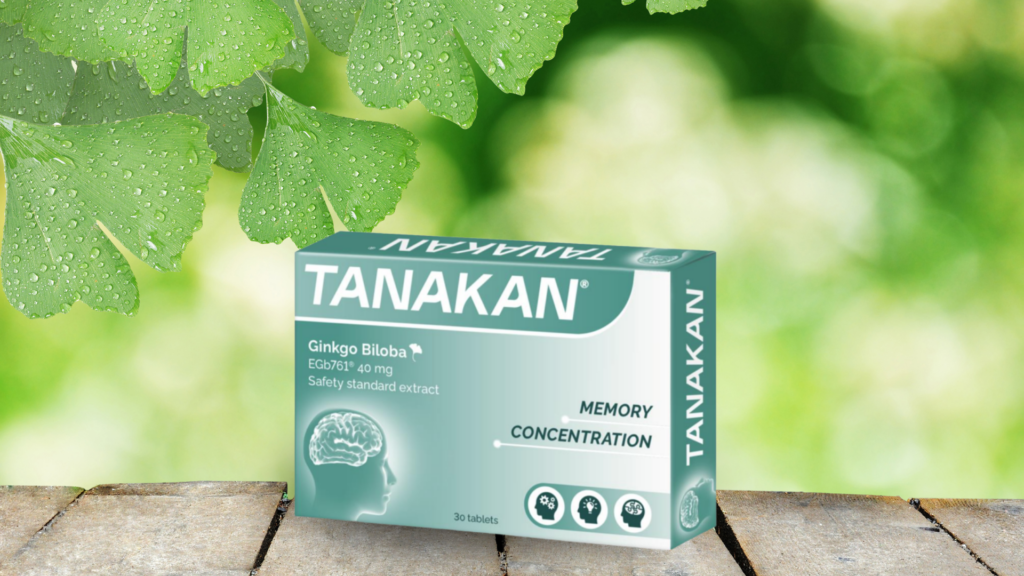
Can Drugs Help Improve Memory and Brain Function ?
While lifestyle changes and brain exercises can significantly help memory, sometimes your brain needs additional support.
Tanakan, a scientifically formulated drug derived from Ginkgo biloba, the plant known to enhance memory, concentration, attention, circulation, tinnitus and vertigo.⁸⁻¹¹
Frequently Asked Questions (FAQs)
1. How can I improve my focus and concentration?
Reduce distractions, practice mindfulness⁵, engage in brain exercises⁷, and follow a brain-friendly diet³.
2. What are the best brain exercises to improve focus?
Memory games, puzzles, meditation⁵, and learning new skills can enhance attention span and cognitive performance.⁷
3. What role does sleep play in memory and attention?
Sleep is essential for memory consolidation—it helps the brain retain and organize information.²
4. Can diet affect cognitive function?
Yes! A nutrient-rich diet with omega-3s, antioxidants, and B vitamins can significantly boost focus and memory retention.³

Ours products
Tanakan products range

Diagnostic
Take the test

The Impact of Sleep on Memory and Concentration

Cognitive Health Tips for All Ages

How to Boost Cognitive Performance Naturally
1.Mayer, R. E. (2009). Multimedia Learning. Cambridge University Press. 2.Walker, M. P., & Stickgold, R. (2006). Sleep, memory, and plasticity. Annual Review of Psychology, 57, 139–166. 3.Gómez-Pinilla, F. (2008). Brain foods: the effects of nutrients on brain function. Nature Reviews Neuroscience, 9(7), 568–578. 4.Nilsonne, G., Bergdahl, J., & Åkerstedt, T. (2020). Structural correlates of mental fatigue in stress-related exhaustion disorder. NeuroImage: Clinical, 28, 102399. 5.National Center for Complementary and Integrative Health. (n.d.). Meditation: In Depth. https://www.nccih.nih.gov/health/meditation-in-depth 6.Ratey, J. J. (2008). Spark: The Revolutionary New Science of Exercise and the Brain. Little, Brown. 7.Shams, L., & Seitz, A. R. (2008). Benefits of multisensory learning. Trends in Cognitive Sciences. 8.Spiegel R et al. “Ginkgo biloba special extract EGb 761® in dementia: a systematic review and meta-analysis.” Curr Alzheimer Res. 2013;10(10):1080-92. 9.Rai GS et al. “Double-blind placebo-controlled study of Ginkgo biloba in geriatric patients.” Curr Med Res Opin. 1991;12(6):350–355. 10.Morgenstern C, Biermann E. “Efficacy of Ginkgo biloba special extract EGb 761® in patients with tinnitus.” Int J Clin Pharmacol Ther. 2002;40(4):188–197 11.Kennedy DO et al. "Effects of Ginkgo biloba extract (EGb 761) on attention, mood, and memory in healthy volunteers." Psychopharmacology (Berl). 2000;151(2-3):416–423. TAN-GO-002136