

Want a Sharper Mind? Here’s How to Improve Cognitive Performance Naturally
Ever walked into a room and completely forgotten why? Or found yourself rereading the same sentence over and over? If so, you’re not alone. As we age, stress, poor sleep, and unhealthy habits can take a toll on cognitive performance, affecting memory, focus, and decision-making.
But here’s the good news: you can prevent cognitive decline and boost brain function naturally!
By making simple lifestyle change ; such as eating brain-boosting foods for focus, engaging in regular exercise for better brain function, and adopting habits that support lifelong mental stimulation; you can improve mental performance and keep your mind sharp for years to come.
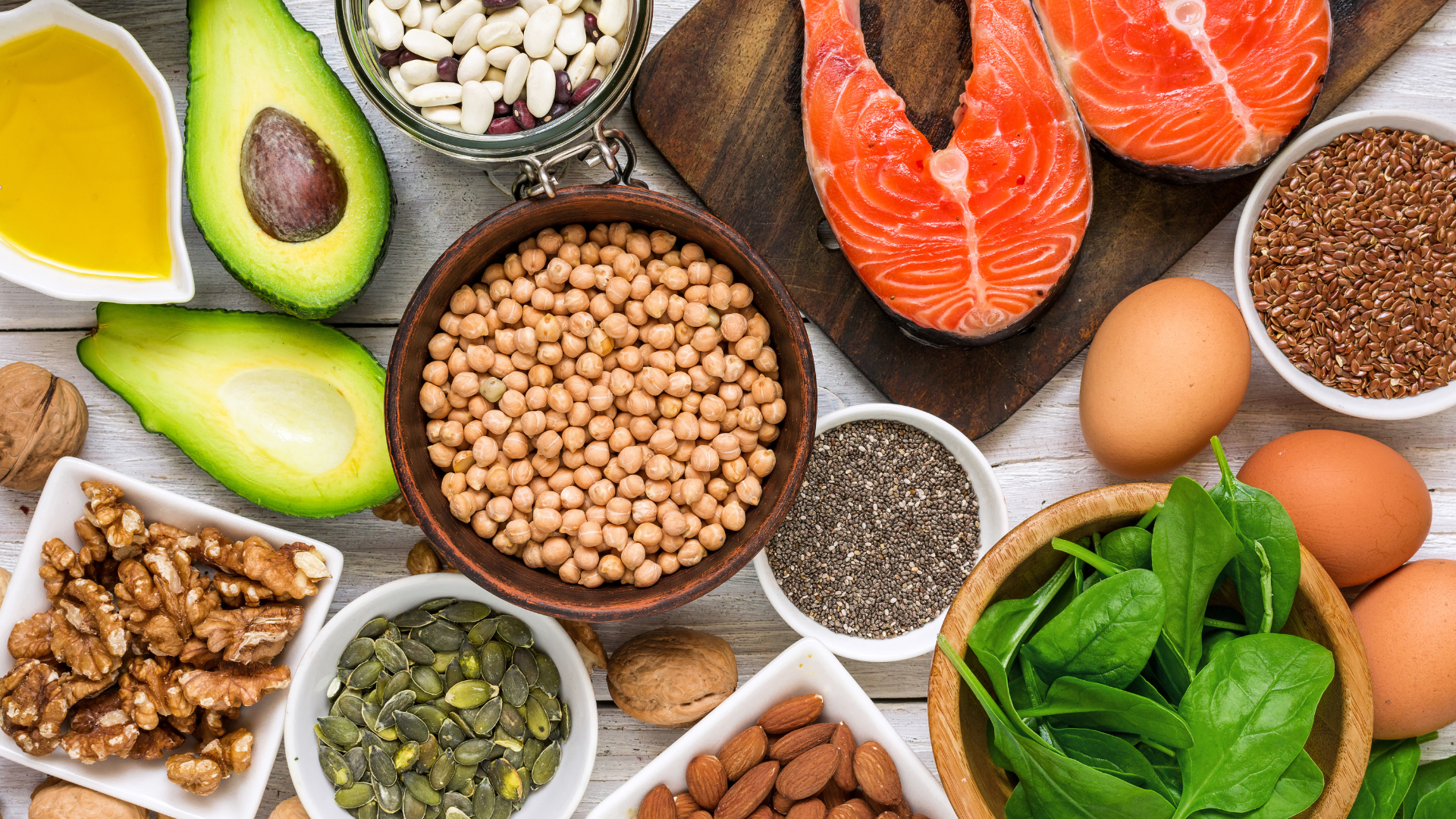
1. Brain-Boosting Foods for Focus: Nutrition for Better Cognitive Performance
Your brain needs the right fuel to function at its best. A balanced diet filled with foods that enhance cognitive abilities can improve memory with diet, reduce inflammation, and support long-term brain health.¹
Top Brain-Boosting Foods for Focus and Mental Performance
🥑 Omega-3 Fatty Acids – Found in fatty fish (salmon, sardines), walnuts, and flaxseeds, omega-3s reduce brain inflammation and support neuroplasticity.¹
🍓 Antioxidant-Rich Foods – Berries, dark chocolate, and leafy greens help combat oxidative stress, a leading cause of cognitive decline.²
🍊 Flavonoids – Found in cocoa, citrus fruits, and tea, flavonoids boost memory and learning processes.²
🥚 B Vitamins – Whole grains, eggs, and legumes contain B vitamins essential for neurotransmitter function and energy metabolism.²
Swap processed snacks for nutrient-dense brain foods to fuel your mind and support lifelong cognitive performance!

2. Exercise for Better Brain Function: Move Your Body, Sharpen Your Mind
Regular physical activity doesn’t just keep your body fi; it also plays a vital role in how to improve mental performance. Exercise increases blood flow to the brain, enhances neuroplasticity, and helps prevent cognitive decline.³
Best Exercises for Brain Health
– Aerobic Exercise – Walking, jogging, and swimming boost blood flow and oxygenation to the brain, improving focus and cognitive performance.
– Strength Training – Lifting weights enhances executive function and memory retention.
– Mind-Body Exercises – Yoga and tai chi reduce stress and improve cognitive flexibility.⁴
Aim for 30 minutes of movement daily to enhance brain function and boost cognitive performance naturally!
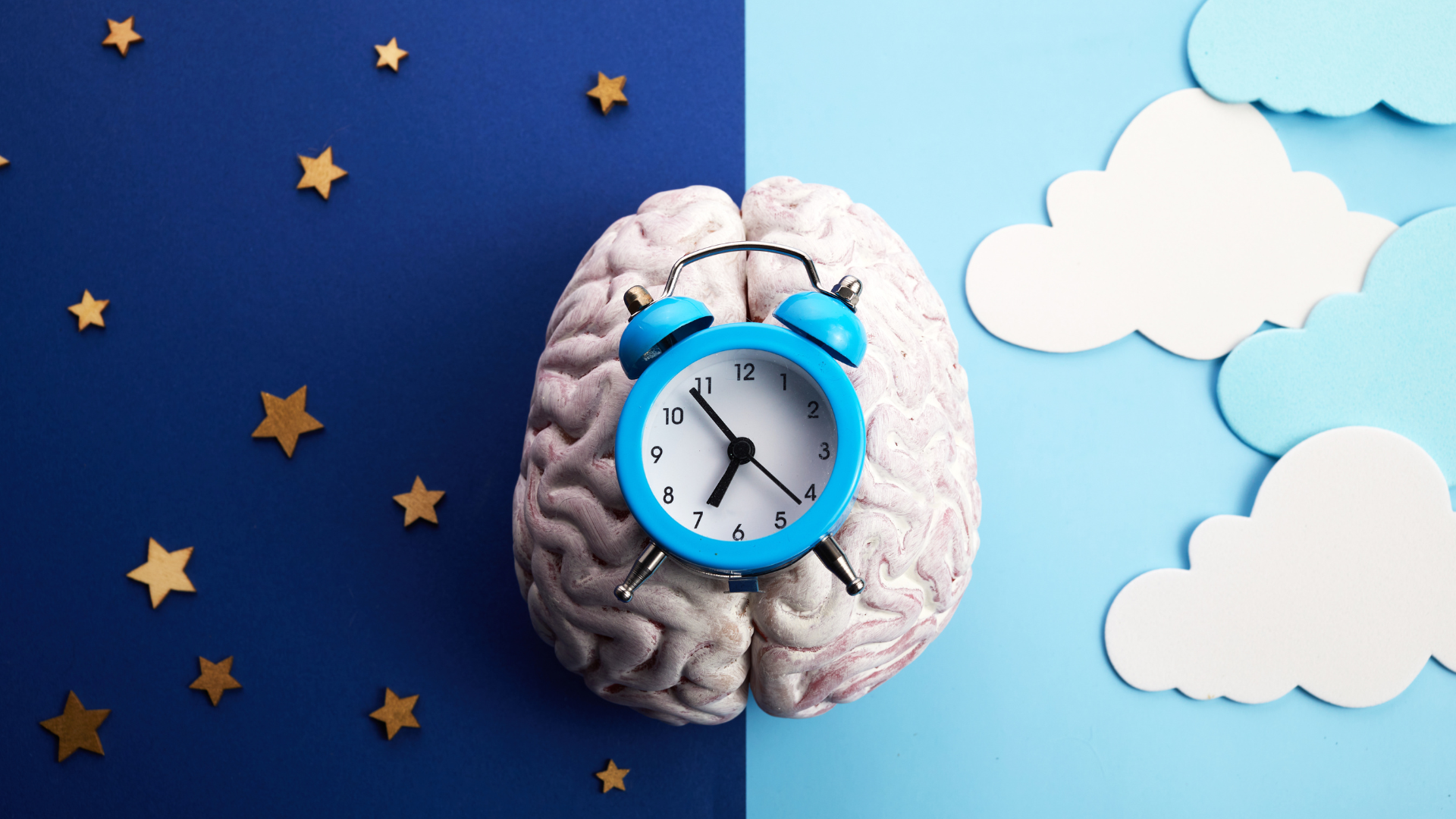
3. Tips for Better Sleep and Brain Health: Recharge Your Mind
A well-rested brain is a high-performing brain. Poor sleep impairs memory consolidation, focus, and problem-solving skills. If you want to improve cognitive performance naturally, optimizing your sleep is crucial.⁵
How to Get Better Sleep for a Sharper Mind
– Stick to a Consistent Sleep Schedule – Going to bed and waking up at the same time helps regulate circadian rhythms
– Reduce Screen Time Before Bed – Blue light from devices disrupts melatonin production, making it harder to fall asleep.⁶
– Prioritize Deep Sleep – This is when the brain consolidates memories and processes new information⁵
Try a relaxing nighttime routine (reading, meditation, or journaling) to improve both sleep and cognitive performance!

4. Manage Stress for Better Cognition: Keep Your Mind Resilient
Chronic stress is one of the biggest threats to cognitive function. High cortisol levels can shrink the hippocampus (the brain’s memory center), making it harder to learn and retain information.⁷
Best Stress-Relief Techniques for Brain Health
– Mindfulness & Meditation – Studies show meditation increases gray matter density, improving mental clarity and focus.⁶
– Deep Breathing Exercises – Controlled breathing reduces cortisol levels, promoting relaxation and clear thinking.
– Spending Time in Nature – Walking outdoors boosts creativity and attention span.⁸
Schedule at least 10 minutes daily for relaxation techniques to protect brain function and prevent cognitive decline!

5. Mental Stimulation for Lifelong Learning: Keep Your Brain Active
Just like muscles, the brain needs exercise to stay strong. Engaging in mental stimulation for lifelong learning helps improve memory and prevent cognitive decline.⁹
Best Brain Exercises to Improve Memory and Focus⁹
– Puzzles & Memory Games – Sudoku, crosswords, and chess enhance problem-solving skills.
– Learn a New Skill – Playing an instrument or picking up a new language strengthens neural connections.
– Read and Discuss Ideas – Engaging in deep discussions sharpens critical thinking and memory.
Make lifelong learning a habit to keep your mind sharp and prevent age-related cognitive decline!
Can Drugs Help Improve Memory and Brain Function ?
While lifestyle changes and brain exercises can significantly help memory, sometimes your brain needs additional support.
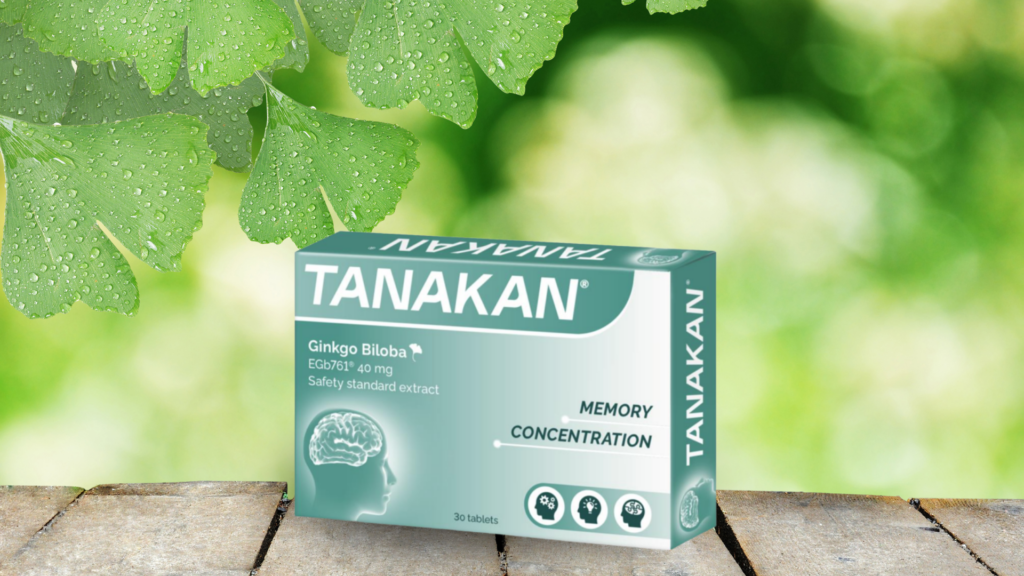
Tanakan, a scientifically formulated drug derived from Ginkgo biloba, the plant known to enhance memory, concentration, attention, circulation, tinnitus and vertigo.¹⁰⁻¹³
Frequently Asked Questions (FAQs)
1. How can I prevent cognitive decline naturally?
By maintaining a brain-healthy diet¹⁻², engaging in regular exercise³, reducing stress⁷, and getting quality sleep⁵, you can protect and enhance cognitive function.
2. What are the best foods for brain aging prevention?
Omega-3-rich foods (salmon, walnuts)¹, antioxidants (berries, dark chocolate), and flavonoids (citrus, tea)² enhance cognitive abilities and prevent decline.
3. How does exercise improve cognitive function?
Exercise increases blood flow to the brain, supporting memory retention, focus, and neuroplasticity.³
4. What role does sleep play in brain health?
During deep sleep, the brain consolidates memories and flushes out toxins. Lack of sleep leads to memory loss and impaired concentration.⁵
5. How can I manage stress to protect cognitive function?
Practicing mindfulness, meditation⁶, and deep breathing exercises⁷ can reduce cortisol levels and improve mental clarity.

Ours products
Tanakan products range

Diagnostic
Take the test

The Impact of Sleep on Memory and Concentration

Brain Aging : How to combat it ?

How Better Focus Improves Your Memory
1.Gómez-Pinilla, F. (2008). Brain foods: the effects of nutrients on brain function. Nature Reviews Neuroscience, 9(7), 568–578. 2.Hardman, R. J., et al. (2016). Adherence to a Mediterranean-style diet and effects on cognition in adults. BMJ Open, 6(8), e010273. 3.Ratey, J. J. (2008). Spark: The Revolutionary New Science of Exercise and the Brain. Little, Brown. 4.Shams, L., & Seitz, A. R. (2008). Benefits of multisensory learning. Trends in Cognitive Sciences. 5.Walker, M. P., & Stickgold, R. (2006). Sleep, memory, and plasticity. Annual Review of Psychology, 57, 139–166. 6.National Center for Complementary and Integrative Health. (n.d.). Meditation: In Depth. https://www.nccih.nih.gov/health/meditation-in-depth 7.Nilsonne, G., Bergdahl, J., & Åkerstedt, T. (2020). Structural correlates of mental fatigue in stress-related exhaustion disorder. NeuroImage: Clinical, 28, 102399. 8.Mark, G., Voida, S., & Cardello, A. (2012). A Pace Not Dictated by Electrons: An Empirical Study of Work Without Email. CHI Conference. 9.Mayer, R. E. (2009). Multimedia Learning. Cambridge University Press. 10.Spiegel R et al. “Ginkgo biloba special extract EGb 761® in dementia: a systematic review and meta-analysis.” Curr Alzheimer Res. 2013;10(10):1080-92. 11.Rai GS et al. “Double-blind placebo-controlled study of Ginkgo biloba in geriatric patients.” Curr Med Res Opin. 1991;12(6):350–355. 12.Morgenstern C, Biermann E. “Efficacy of Ginkgo biloba special extract EGb 761® in patients with tinnitus.” Int J Clin Pharmacol Ther. 2002;40(4):188–197 13.Kennedy DO et al. "Effects of Ginkgo biloba extract (EGb 761) on attention, mood, and memory in healthy volunteers." Psychopharmacology (Berl). 2000;151(2-3):416–423. TAN-GO-002136