

Struggling with Forgetfulness? Here’s What You Need to Know About Memory Loss
Ever walked into a room and forgotten why? Or struggled to recall a name you just learned? While occasional forgetfulness is normal, persistent memory problems may signal cognitive decline or underlying health issues.
Memory plays a crucial role in learning, decision-making, and daily life. Understanding the causes of memory loss, types of memory disorders, and available treatments can help preserve brain health and improve cognitive function.
This guide will explore:
✅ The different types of memory disorders and their symptoms
✅ Common causes of memory loss and how to prevent cognitive decline
✅ The link between Alzheimer’s disease, dementia, and memory impairment
✅ Memory enhancement strategies to strengthen recall and focus
✅ The latest memory loss treatment and solutions

How Memory Works and Evolves with Age
Memory isn’t just one single function—it involves multiple brain regions and operates in different ways:
Types of Memory and Their Functions :
– Short-Term Memory: Holds information for seconds to minutes (e.g., remembering a phone number before dialing).
– Long-Term Memory: Stores knowledge, experiences, and skills over a lifetime.
– Working Memory: Helps process and manipulate temporary information, essential for problem-solving and decision-making.
How Aging Affects Memory :
As we age, certain cognitive changes are natural:
✔️ Slower Processing Speed: Takes longer to recall information.
✔️ Reduced Multitasking Ability: Switching between tasks becomes more difficult.
✔️ Decreased Memory Formation Efficiency: Learning new information may require more effort.
Types of Memory Disorders: From Mild Forgetfulness to Severe Cognitive Decline
Memory problems can range from mild cognitive impairment to more serious neurological conditions.
Common Memory Disorders and Their Symptoms :
– Age-Associated Memory Impairment: Mild forgetfulness that does not interfere with daily life.
–Mild Cognitive Impairment (MCI): Noticeable memory problems that may progress to dementia.
– Dementia: A general term for progressive cognitive decline, affecting memory, reasoning, and behavior.
Most Common Types of Dementia :
– Alzheimer’s Disease: The leading cause of dementia, characterized by progressive memory loss, confusion, and cognitive decline.
– Vascular Dementia: Caused by reduced blood flow to the brain, often due to strokes.
– Lewy Body Dementia: Associated with abnormal protein deposits, leading to memory impairment and hallucinations.
Other Memory Disorders :
– Amnesia: Sudden memory loss due to injury, illness, or psychological trauma.
– Neurological Disorders (e.g., Parkinson’s, Huntington’s): Can cause progressive memory impairment.
Early diagnosis and intervention can help manage symptoms and slow progression.
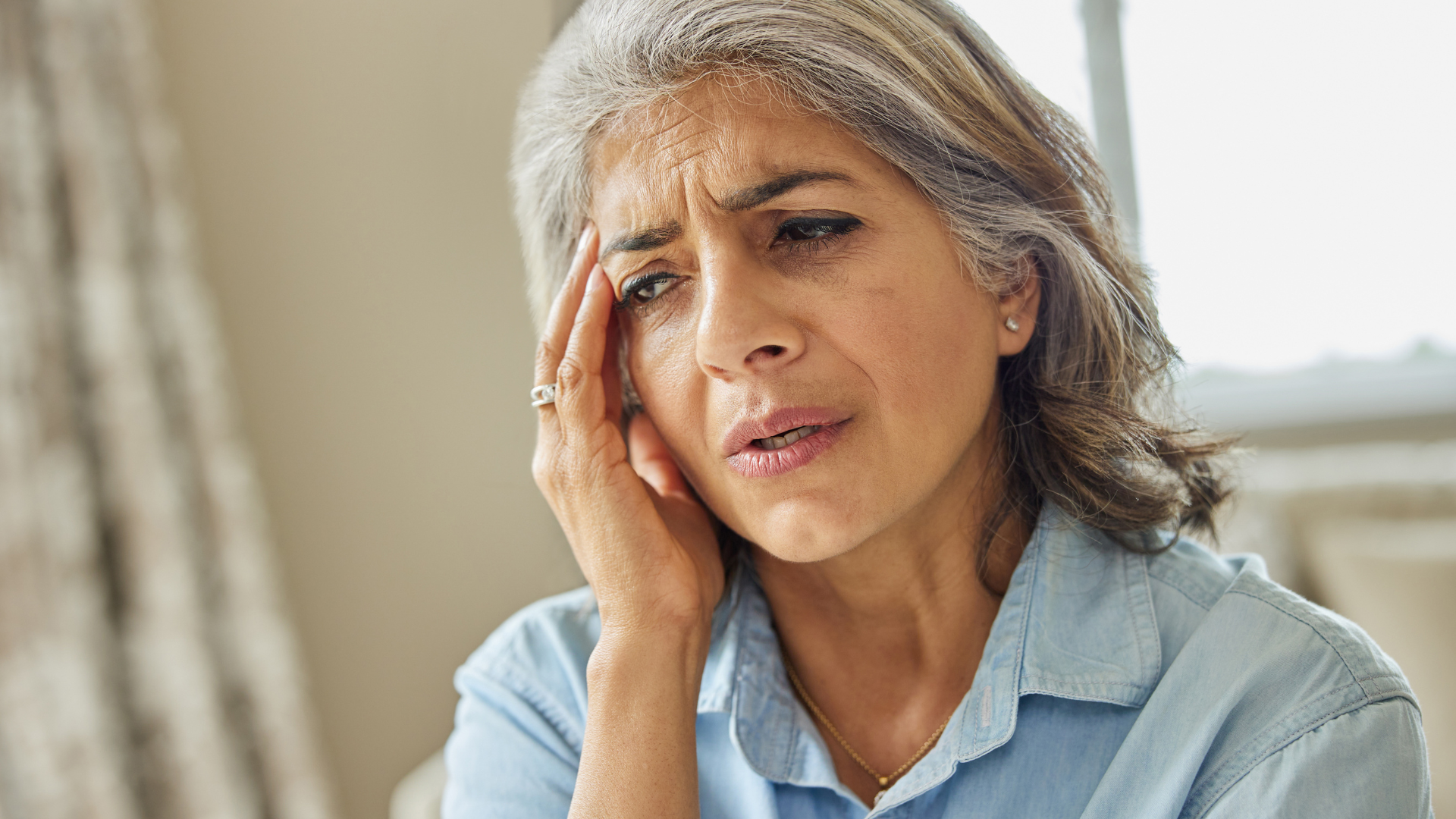
What If Memory Problems Get Worse? When to Seek Help
If memory loss begins to interfere with daily activities, it’s essential to take action.
Signs That Memory Loss May Be Serious :
✔️ Forgetting important dates, conversations, or recent events
✔️ Repeating questions or stories frequently
✔️ Difficulty following familiar routines
✔️ Becoming disoriented in familiar places
What to Do If Memory Issues Progress :
✔️ Monitor Symptoms: Keep a journal of memory changes over time.
✔️ Consult a Healthcare Professional: Early detection improves treatment options.
✔️ Undergo Cognitive Testing: Brain scans and neuropsychological assessments help identify underlying causes.
Lifestyle changes, cognitive therapy, and medical interventions can help preserve cognitive function.

Memory Loss Solutions: How to Improve Brain Health
While some memory disorders can’t be reversed, there are effective strategies to improve cognitive function and enhance memory retention.
Memory Enhancement Strategies :
✔️ Cognitive Training: Engage in memory exercises for adults, such as puzzles and strategy games.
✔️ Lifelong Learning: Read books, take courses, or learn a new skill to stimulate the brain.
✔️ Social Interaction: Staying connected with others reduces the risk of cognitive decline.
Brain-Boosting Foods for Memory :
Your diet plays a major role in memory improvement and cognitive health.
– Omega-3 Fatty Acids (Salmon, Walnuts, Flaxseeds): Support brain cell function.
– B Vitamins (Leafy Greens, Eggs, Legumes): Reduce homocysteine levels, linked to dementia.
–Antioxidants (Berries, Dark Chocolate, Green Tea): Protect against oxidative stress and memory loss.
Follow a Mediterranean diet—rich in healthy fats, whole grains, and colorful vegetables—for optimal cognitive function!
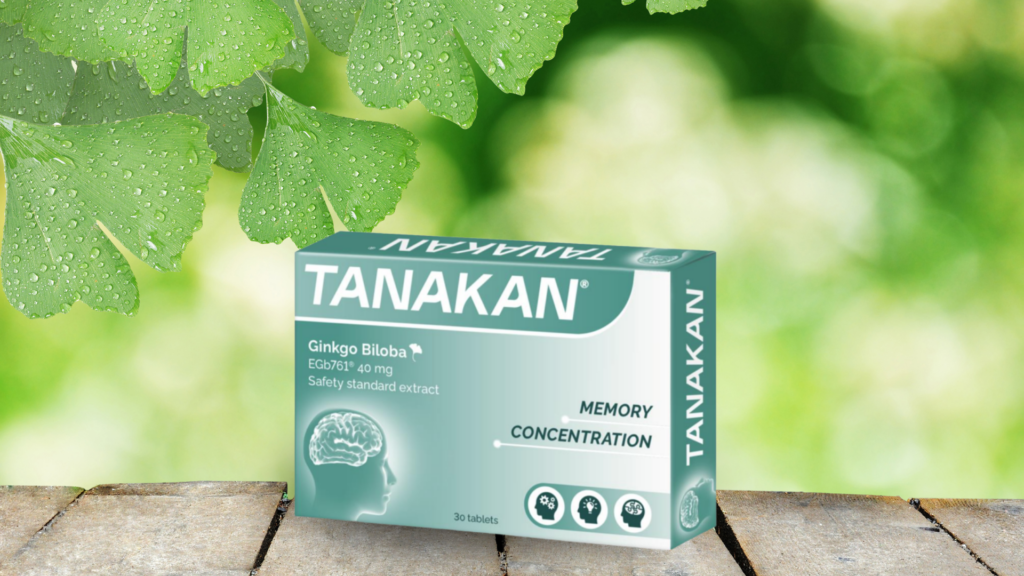
Can Supplements Help Improve Memory and Brain Function ?
While lifestyle changes and brain exercises can significantly help memory, sometimes your brain needs additional support.
Tanakan, a scientifically formulated supplement derived from Ginkgo biloba, is designed to enhance cognitive function, improve memory, and support mental clarity.
Our commitments
Pure, scientifically-backed extracts, for
enhanced mental clarity and balanced
well-being.
Improves memory
Enhances concentration
Enhances intellectual capacity
Reduces mental and physical fatigue
Frequently Asked Questions (FAQs)
1. What are the most common causes of memory loss?
✔️ Aging: Normal cognitive slowing but not severe memory loss.
✔️ Neurodegenerative Disorders: Alzheimer’s disease, dementia, Parkinson’s.
✔️ Medical Conditions: Stroke, diabetes, vitamin deficiencies.
✔️ Lifestyle Factors: Chronic stress, poor sleep, unhealthy diet.
2. How can I improve memory naturally?
✔️ Engage in brain exercises (puzzles, reading, learning new skills).
✔️ Eat a brain-healthy diet rich in antioxidants and omega-3s.
✔️ Exercise regularly to improve blood circulation to the brain.
✔️ Manage stress and prioritize sleep for memory consolidation.
3. How can I tell if memory loss is serious?
If memory problems interfere with daily life, involve forgetting recent events, or cause confusion and disorientation, it’s important to seek medical advice.
4. Can dementia and Alzheimer’s be prevented?
While there’s no cure, lifestyle changes like a healthy diet, cognitive engagement, and regular exercise can reduce the risk of cognitive decline.
5. Do supplements like Tanakan help with memory improvement?
Yes! Tanakan is clinically studied for its ability to enhance memory, focus, and overall cognitive function naturally.

Ours products
Tanakan products range

Diagnostic
Take the test

The Impact of Sleep on Memory and Concentration

How to Feed Your Brain: The Link Between Nutrition and Memory

How to Strengthen Memory: Practical Tips for Better Recall
1.Harvard Health Publishing. (n.d.). How aging affects focus. Harvard Medical School. Retrieved May 30, 2025, from https://www.health.harvard.edu/staying-healthy/how-aging-affects-focus 2.Alzheimer’s Association. (n.d.). 10 early signs and symptoms of Alzheimer’s and dementia. Retrieved May 30, 2025, from https://www.alz.org/alzheimers-dementia/10_signs 3.Alzheimer’s Society. (n.d.). Symptoms of Alzheimer’s disease. Retrieved May 30, 2025, from https://www.alzheimers.org.uk/about-dementia/types-dementia/alzheimers-disease-symptoms 4.National Institute on Aging. (n.d.). What are the signs of Alzheimer’s disease? Retrieved May 30, 2025, from https://www.nia.nih.gov/health/alzheimers-symptoms-and-diagnosis/what-are-signs-alzheimers-disease 5.Centers for Disease Control and Prevention. (n.d.). Signs and symptoms of Alzheimer’s. Retrieved May 30, 2025, from https://www.cdc.gov/alzheimers-dementia/signs-symptoms/alzheimers.html 6.National Institute on Aging. (n.d.). Cognitive health and older adults. U.S. Department of Health and Human Services. Retrieved May 30, 2025, from https://www.nia.nih.gov/health/cognitive-health-and-older-adults 7.Harvard Health Publishing. (n.d.). Train your brain. Harvard Medical School. Retrieved May 30, 2025, from https://www.health.harvard.edu/mind-and-mood/train-your-brain 8.Alzheimer’s Association. (n.d.). 10 ways to love your brain. Retrieved May 30, 2025, from https://www.alz.org/help-support/brain_health/10_ways_to_love_your_brain 9.Selhub, E. M. (2015, November 16). Nutritional psychiatry: Your brain on food. Harvard Health Blog. https://www.health.harvard.edu/blog/nutritional-psychiatry-your-brain-on-food-2015111686 10. Gómez-Pinilla, F. (2008). Brain foods: The effects of nutrients on brain function. Nature Reviews Neuroscience, 9(7), 568–578. https://doi.org/10.1038/nrn2421 Available at: https://www.ncbi.nlm.nih.gov/pmc/articles/PMC2805706/ 11.Dighriri, I. M., Alsubaie, A. M., Hakami, F. M., Hamithi, D. M., Alshekh, M. M., Khobrani, F. A., Dalak, F. E., Hakami, A. A., Alsueaadi, E. H., Alsaawi, L. S., Alshammari, S. F., Alqahtani, A. S., Alawi, I. A., Aljuaid, A. A., & Tawhari, M. Q. (2022). Effects of omega-3 polyunsaturated fatty acids on brain functions: A systematic review. Cureus, 14(10), e30091. https://doi.org/10.7759/cureus.30091 Available at: https://www.ncbi.nlm.nih.gov/pmc/articles/PMC9641984/ 12.Alzheimer’s Association. (n.d.). 10 healthy habits for your brain. Retrieved May 30, 2025, from https://www.alz.org/help-support/brain_health/10-healthy-habits-for-your-brain 13.National Institute on Aging. (n.d.). What do we know about diet and prevention of Alzheimer’s disease? U.S. Department of Health and Human Services. Retrieved May 30, 2025, from https://www.nia.nih.gov/health/alzheimers-and-dementia/what-do-we-know-about-diet-and-prevention-alzheimers-disease 14.Harvard T.H. Chan School of Public Health. (n.d.). Mediterranean diet. The Nutrition Source. Retrieved May 30, 2025, from https://nutritionsource.hsph.harvard.edu/healthy-weight/diet-reviews/mediterranean-diet/ 15.Spiegel R et al. “Ginkgo biloba special extract EGb 761® in dementia: a systematic review and meta-analysis.” Curr Alzheimer Res. 2013;10(10):1080-92. 16.Rai GS et al. “Double-blind placebo-controlled study of Ginkgo biloba in geriatric patients.” Curr Med Res Opin. 1991;12(6):350–355. 17.Morgenstern C, Biermann E. “Efficacy of Ginkgo biloba special extract EGb 761® in patients with tinnitus.” Int J Clin Pharmacol Ther. 2002;40(4):188–197 18.Kennedy DO et al. "Effects of Ginkgo biloba extract (EGb 761) on attention, mood, and memory in healthy volunteers." Psychopharmacology (Berl). 2000;151(2-3):416–423. 19.Harvard Health Publishing. (n.d.). Exercise can boost your memory and thinking skills. Harvard Medical School. Retrieved May 30, 2025, from https://www.health.harvard.edu/mind-and-mood/exercise-can-boost-your-memory-and-thinking-skills 20. Singh, B., Bennett, H., Miatke, A., Dumuid, D., Curtis, R., Ferguson, T., Brinsley, J., Szeto, K., Petersen, J. M., Gough, C., Eglitis, E., Simpson, C. E. M., Ekegren, C. L., Smith, A. E., Erickson, K. I., & Maher, C. (2025). Effectiveness of exercise for improving cognition, memory and executive function: A systematic umbrella review and meta-meta-analysis. British Journal of Sports Medicine, 0, 1–11. https://bjsm.bmj.com/content/bjsports/early/2025/03/06/bjsports-2024-108589.full.pdf 21.Mandolesi, L., Polverino, A., Montuori, S., Foti, F., Ferraioli, G., Sorrentino, P., & Sorrentino, G. (2018). Effects of physical exercise on cognitive functioning and wellbeing: Biological and psychological benefits. Frontiers in Psychology, 9, 509. https://doi.org/10.3389/fpsyg.2018.00509 22.Loprinzi, P. D., Roig, M., Etnier, J. L., Tomporowski, P. D., & Voss, M. (2021). Acute and chronic exercise effects on human memory: What we know and where to go from here. Journal of Clinical Medicine, 10(21), 4812. https://doi.org/10.3390/jcm10214812 Available at : https://www.ncbi.nlm.nih.gov/pmc/articles/PMC8584999/ 23. Nilsonne, G., Bergdahl, J., & Åkerstedt, T. (2020). Structural correlates of mental fatigue in stress-related exhaustion disorder. NeuroImage: Clinical, 28, 102399. Available at: https://www.ncbi.nlm.nih.gov/pmc/articles/PMC7348057/ 24.Fortier-Brochu, É., & Morin, C. M. (2014). Cognitive impairment in individuals with insomnia: Clinical significance and correlates. Sleep, 37(11), 1787–1798. https://doi.org/10.5665/sleep.4172 25.Alzheimer’s Association. (n.d.). Can Alzheimer’s disease be prevented? Retrieved May 30, 2025, from https://www.alz.org/alzheimers-dementia/research_progress/prevention TAN-GO-001870