
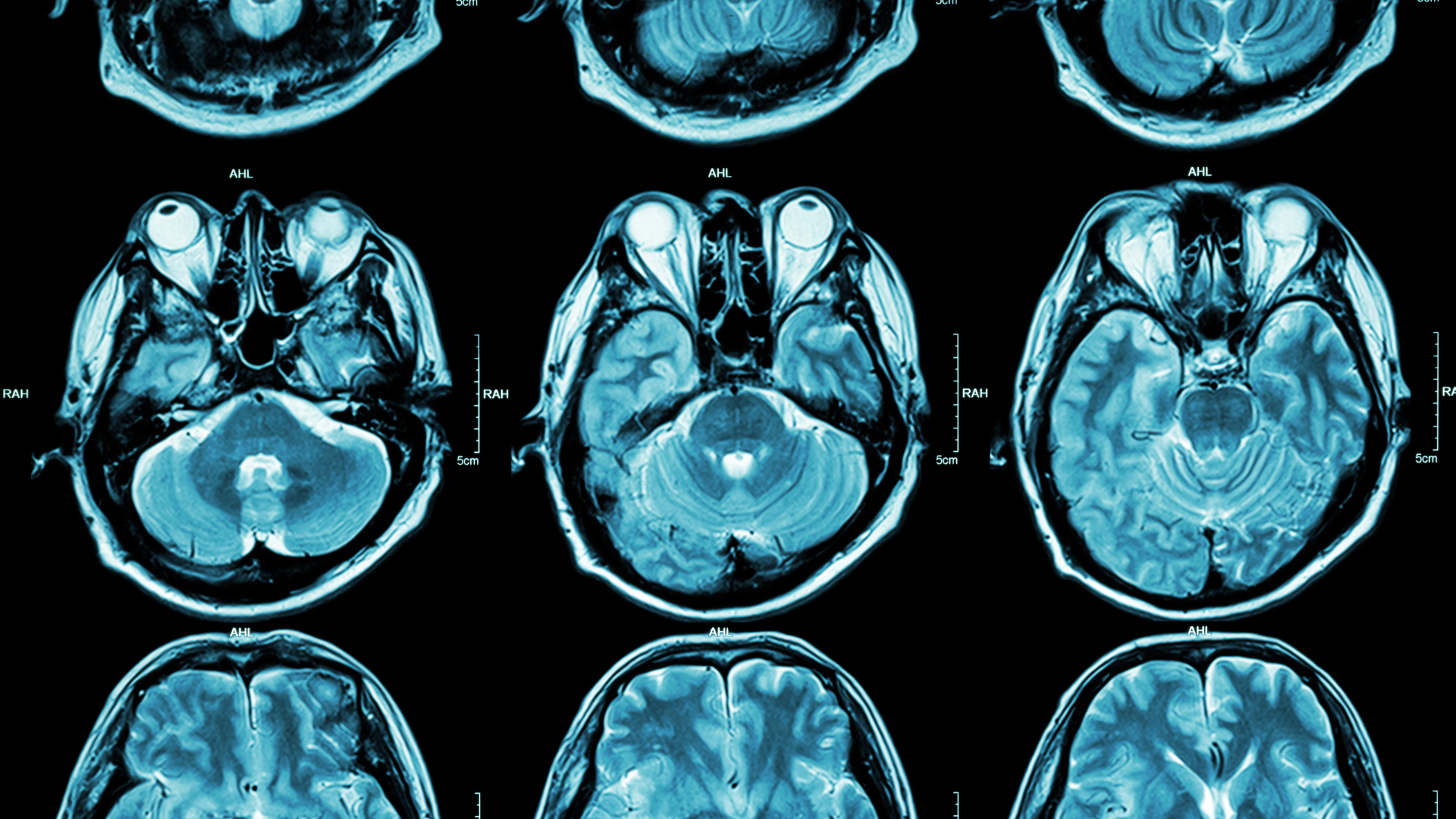
Struggling to Remember Things? Here’s How to Boost Memory Naturally
Ever found yourself forgetting why you walked into a room or struggling to recall an important detail at work? In today’s fast-paced world, maintaining sharp memory and strong cognitive function is more important than ever. Whether you’re juggling multiple tasks, studying for exams, or simply want to stay mentally agile, understanding the types of memory in the brain and how to improve memory can give you the edge you need.
This guide explores the different memory types, natural ways to improve memory, and brain exercises for memory that will help you stay focused and enhance recall ; without relying on shortcuts.
The Different Types of Memory and Their Role in Daily Life
Memory isn’t just one single function ; it’s a complex system with different components. Understanding how these types of memory work can help you improve focus and concentration while enhancing overall cognitive health.¹

1. Sensory Memory Explained: Your Brain’s Instant Capture
Sensory memory is your brain’s first point of contact with new information. It lasts only a few milliseconds, helping you decide what’s worth keeping.²
>Example: When you briefly see an image before it disappears, but can still “see” it in your mind for a moment.
Boost Your Sensory Memory :
1. Pay closer attention to details in your environment.
2. Limit distractions to improve retention.

2. Short-Term vs Long-Term Memory: The Key Differences
Short-term memory, also called working memory, temporarily holds and processes small amounts of information ; typically for a few seconds to a minute. On the other hand, long-term memory enhancement involves storing information for extended periods, even a lifetime.
Long-term memory (LTM) , has a vast capacity and can be further divided into explicit and implicit memory:
1. Explicit (Declarative) Memory: This involves conscious recall of facts and experiences. It includes:
– Episodic Memory: Personal experiences and events, such as recalling a vacation or a childhood memory.
– Semantic Memory: General knowledge, facts, and concepts, such as knowing the capital of France or the meaning of words.
– Prospective memory : Helps you remember to perform future tasks, like taking medicine at the right time.
2. Implicit (Non-Declarative) Memory: This type of memory operates unconsciously and involves learned skills and conditioned responses. It includes:
– Procedural Memory : It allows us to perform tasks automatically without conscious effort. Once a skill is learned, like riding a bicycle or typing on a keyboard, it becomes second nature.
– Priming and Conditioning: Automatic associations formed through experience, such as associating a particular smell with a childhood home.
To conclude, here some examples of the two different types of memory :
– Example of Short-Term Memory Improvement: Remembering a new colleague’s name after hearing it once.
– Example of Long-Term Memory: Recalling a childhood vacation in detail.³
Memory Consolidation Techniques to Improve Recall:
✔️ Use Mnemonics & Chunking: Breaking information into smaller pieces helps.
✔️ Practice Repetition: Repeating information out loud strengthens memory.⁴
✔️ Prioritize Sleep: Memory consolidation happens during deep sleep.⁵

3. Factors Affecting Memory and How to Improve It
Modern lifestyle habits can have a big impact on memory retention and recall. Here’s what’s affecting your brain and how to improve memory naturally:
| Factors Affecting Memory | Impact on Recall | Solutions |
| Chronic Stress | Increases cortisol, impairing memory formation.⁶ | Meditation, breathing exercises, and relaxation techniques.⁷ |
| Lack of Sleep | Prevents memory consolidation.⁵ | Aim for 7-9 hours of quality sleep. |
| Poor Diet | Nutritional deficiencies reduce brain function.³ | Eat omega-3-rich foods like salmon, walnuts, and flaxseeds. |
| Excessive Screen Time | Overloads the brain and reduces focus.⁸ | Take screen breaks and use the 20-20-20 rule. |
Best Brain Exercises for Memory and Cognitive Health
Regular mental workouts can help strengthen short-term memory improvement and long-term memory enhancement:¹⁰
– Learn Something New: Pick up a new language, instrument, or skill.
– Try Visualization Techniques: Create mental images to aid recall.
– Play Brain Games: Puzzles, crosswords, and strategy games help memory retention.
– Engage in Physical Activity: Exercise increases oxygen flow to the brain.⁹
Take Action Today!
Try a brain exercise like puzzles or learning a new skill.
Adopt brain-healthy habits—eat well, sleep better, and reduce stress.
Support your cognitive health with memory-boosting supplements like Tanakan.
By making memory care a priority, you’ll stay sharp, focused, and ready for any challenge!
Can Drugs Help Improve Memory and Brain Function ?
While lifestyle changes and brain exercises can significantly help memory, sometimes your brain needs additional support.
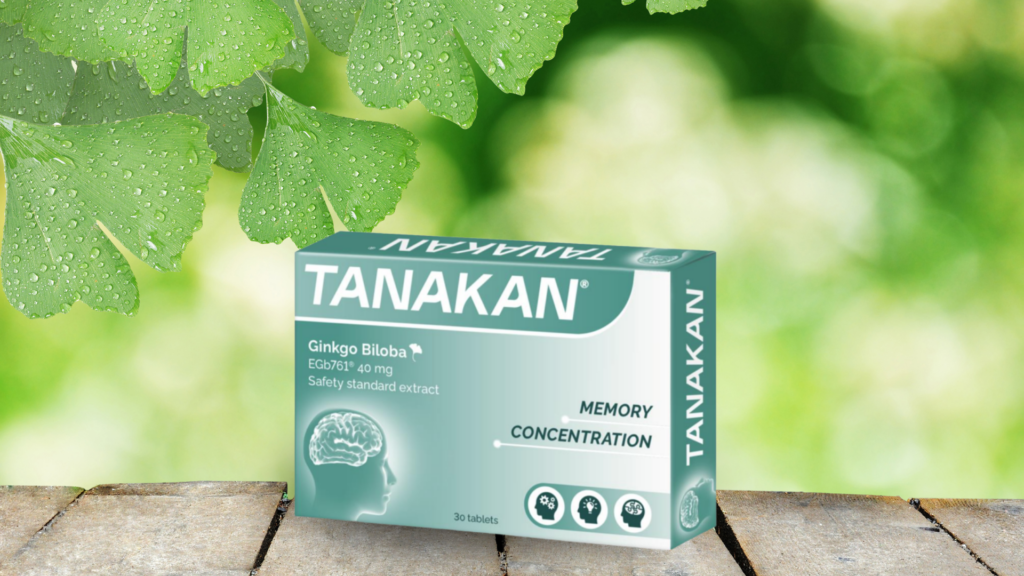
Tanakan, a scientifically formulated drug derived from Ginkgo biloba, the plant known to enhance memory, concentration, attention, circulation, tinnitus and vertigo.¹¹⁻¹⁴
Frequently Asked Questions (FAQs)
1. What are the main types of memory in the brain?
Memory is divided into several types, including sensory memory, short-term memory, long-term memory, working memory, procedural memory, and prospective memory. Each serves a different function in storing and recalling information.¹
2. How can I improve focus and concentration naturally?
To improve focus and concentration, Reduce distractions, practice mindfulness⁷, do memory workouts¹⁰, sleep well⁵, and eat brain-healthy foods³
3. What are the best brain exercises for memory improvement?
Brain exercises for memory include puzzles, crosswords, Sudoku, chess, and learning new skills such as a language or musical instrument. Regularly challenging your brain strengthens neural connections.¹⁰
4. What are some natural ways to improve memory?
Natural ways to improve memory, including Sleep⁵, healthy diet³, exercise⁹, and memory techniques like chunking and visualization¹⁰ are effective.
5. What factors affect memory retention?
Several factors affect memory retention : Stress⁶, sleep deprivation⁵, poor diet³, lack of stimulation¹⁰, and screen overuse⁸ all negatively impact memory.

Ours products
Tanakan products range

Diagnostic
Take the test

Memory Disorders: Causes and Solutions

The Impact of Sleep on Memory and Concentration

How to Feed Your Brain: The Link Between Nutrition and Memory
1.Mayer, R. E. (2009). Multimedia Learning. Cambridge University Press. 2.Shams, L., & Seitz, A. R. (2008). Benefits of multisensory learning. Trends in Cognitive Sciences. 3.Gómez-Pinilla, F. (2008). Brain foods: the effects of nutrients on brain function. Nature Reviews Neuroscience, 9(7), 568–578. 4.Mayer, R. E. (2009). (Duplicate citation for mnemonic/repetition) 5.Walker, M. P., & Stickgold, R. (2006). Sleep, memory, and plasticity. Annual Review of Psychology, 57, 139–166. 6.Nilsonne, G., Bergdahl, J., & Åkerstedt, T. (2020). Structural correlates of mental fatigue. NeuroImage: Clinical, 28, 102399. 7.National Center for Complementary and Integrative Health. (n.d.). Meditation: In Depth. https://www.nccih.nih.gov/health/meditation-in-depth 8.Mark, G., Voida, S., & Cardello, A. (2012). A Pace Not Dictated by Electrons: An Empirical Study of Work Without Email. CHI Conference. 9.Ratey, J. J. (2008). Spark: The Revolutionary New Science of Exercise and the Brain. Little, Brown. 10.Mayer, R. E. (2009). (Duplicate for memory exercises) 11.Spiegel R et al. “Ginkgo biloba special extract EGb 761® in dementia: a systematic review and meta-analysis.” Curr Alzheimer Res. 2013;10(10):1080-92. 12.Rai GS et al. “Double-blind placebo-controlled study of Ginkgo biloba in geriatric patients.” Curr Med Res Opin. 1991;12(6):350–355. 13.Morgenstern C, Biermann E. “Efficacy of Ginkgo biloba special extract EGb 761® in patients with tinnitus.” Int J Clin Pharmacol Ther. 2002;40(4):188–197 14.Kennedy DO et al. "Effects of Ginkgo biloba extract (EGb 761) on attention, mood, and memory in healthy volunteers." Psychopharmacology (Berl). 2000;151(2-3):416–423. TAN-GO-002136